Smart rings are becoming a serious contender in the wearable market, offering a discreet way to track health and fitness. The Oura Ring 4 and Ultrahuman Ring Air are two of the most talked-about options, each promising advanced insights and a seamless user experience. But with differing designs, features, and pricing strategies, which one stands out as the better choice? This comparison breaks down their strengths and weaknesses to help you decide.
| Specification | Oura Ring 4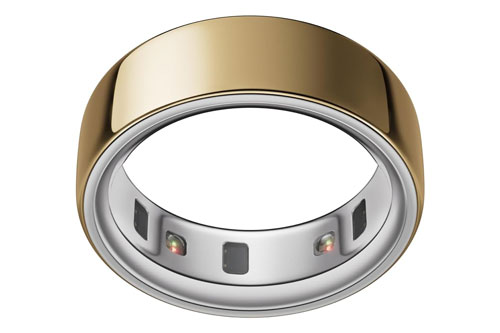 | Ultrahuman Ring Air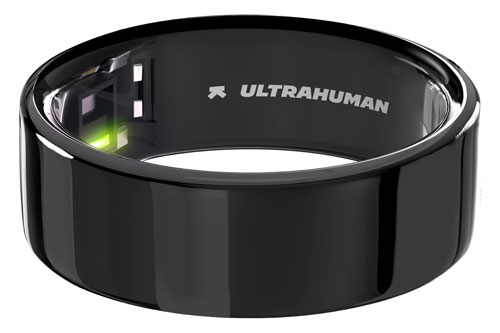 |
|---|---|---|
| Price | See at Amazon | See at Amazon |
| Material | Titanium | Titanium with tungsten carbide coating |
| Weight | 4-6 grams (varies by size) | 2.4 - 3.6 grams |
| Thickness | 2.55 mm | 2.4 mm |
| Width | 7.9 mm | 8 mm |
| Water Resistance | 100m water-resistant | 100m water-resistant |
| Battery Type | Rechargeable lithium-ion | Rechargeable lithium-polymer |
| Battery Capacity | Not specified | Not specified |
| Charging Method | Proprietary charging dock | Magnetic charging dock |
| Sensors | PPG heart rate sensor, SpO2, temperature, 3D accelerometer | PPG heart rate sensor, temperature, 6-axis motion sensor |
| Connectivity | Bluetooth Low Energy (BLE) | Bluetooth Low Energy (BLE) |
| Supported OS | iOS, Android | iOS, Android |
| Wireless Range | Up to 10m | Up to 10m |
Design and Comfort
The Oura Ring 4 refines its already sleek and lightweight design, making it more comfortable than previous versions. It’s noticeably slim, with a smooth inner surface that minimizes irritation, and it comes in a variety of finishes to suit different styles. Despite being packed with sensors, it remains discreet and easy to wear.
The Ultrahuman Ring Air, on the other hand, embraces a minimalist, almost industrial look. While still comfortable, it feels slightly bulkier compared to the Oura, which could be noticeable for those with smaller hands. Its matte finish helps reduce fingerprints, and it manages to stay light despite its sturdier build.
When it comes to comfort, Oura Ring 4 takes the win. Its slimmer profile, refined fit, and lighter weight make it easier to wear 24/7 without distraction.
Health & Fitness Tracking Features
The Oura Ring 4 excels in sleep tracking and recovery insights. It offers a Readiness Score, which evaluates how well-rested you are based on sleep quality, heart rate variability (HRV), and body temperature. It also includes SpO2 monitoring, a feature designed to detect potential breathing disturbances.
The Ultrahuman Ring Air, in contrast, takes a metabolic health-first approach. While it still tracks sleep and activity, its primary focus is on glucose response and metabolic flexibility, helping users understand how their body processes food and energy. This makes it particularly appealing to athletes and those optimizing their diet.
In terms of accuracy, both rings provide solid health insights, but the Oura Ring 4 has a more established track record with sleep analysis, offering deeper and more actionable data.
While the Ultrahuman Ring Air’s metabolic tracking is innovative, the Oura Ring 4 delivers more reliable and refined health metrics, making it the better all-around health tracker.
Software & App Experience
The Oura Ring 4 offers a polished and intuitive app that presents in-depth sleep reports, heart rate trends, and its signature Readiness Score—a daily metric that helps users understand their recovery and activity balance. The app is visually clean, easy to navigate, and provides detailed yet digestible insights.
The Ultrahuman Ring Air leans heavily into metabolic health tracking, offering unique insights on glucose response and energy levels. While it delivers valuable data for those focused on nutrition and fitness optimization, the app experience isn’t quite as refined as Oura’s, with some features still evolving.
Both rings support Apple Health and Google Fit integration, ensuring that key metrics can be shared across platforms. However, Oura’s ecosystem feels more complete, with more robust third-party compatibility and deeper analytics.
While the Ultrahuman Ring Air provides unique metabolic insights, Oura Ring 4’s app is more polished, reliable, and offers a broader range of actionable data.
Battery Life & Charging
The Oura Ring 4 lasts between 4 to 7 days on a single charge, depending on usage. When it does run low, it recharges quickly—taking about 80 minutes to go from empty to full.
The Ultrahuman Ring Air pushes battery life slightly further, averaging around 6 days, sometimes more with lighter use. It also supports fast charging, making it even more convenient for those who prefer quick top-ups.
While the difference isn’t drastic, Ultrahuman Ring Air edges out the Oura Ring 4 in battery efficiency, making it the better option for those who prioritize fewer charging interruptions.
Pricing & Subscription Model
Price alone doesn’t tell the whole story—long-term costs can make a big difference in value.
The Oura Ring 4 costs around $$$, but it comes with an ongoing cost: a $5.99/month subscription is required to access most of its in-depth health insights. Without the subscription, users are left with only basic tracking, making the total cost much higher over time.
The Ultrahuman Ring Air is priced around $$$ as well, but it stands out by offering full access to all features with no subscription fee. This means users pay once and get the complete experience without ongoing charges.
Over time, the Ultrahuman Ring Air offers significantly better value for money, as it avoids the recurring costs that add up with Oura’s model.
Pros & Cons Summary
Both the Oura Ring 4 and Ultrahuman Ring Air have their strengths, but they cater to different types of users. Here's a quick breakdown of what each ring does best—and where they fall short.
Oura Ring 4
✔️ Excellent sleep tracking & insights – One of the most advanced sleep analysis systems available.
✔️ More refined app experience – Polished, intuitive, and offers detailed health metrics.
❌ Requires a subscription – Full access to insights costs $5.99/month, increasing long-term costs.
Ultrahuman Ring Air
✔️ No subscription fees – One-time purchase with full feature access, making it more affordable over time.
✔️ Strong metabolic & glucose tracking – Ideal for those focused on nutrition and fitness optimization.
❌ App experience still evolving – Lacks the refinement and polish of Oura’s long-established platform.
Each ring has a clear target audience—Oura excels in sleep and readiness tracking, while Ultrahuman prioritizes metabolic health and cost efficiency. The right choice depends on what matters most to you.
Conclusion
Both the Oura Ring 4 and Ultrahuman Ring Air offer compelling features, but they cater to different priorities.
If detailed sleep tracking and recovery insights are your main concern, the Oura Ring 4 is the better choice. It delivers industry-leading sleep analysis, a refined app experience, and well-integrated health metrics—but at the cost of an ongoing subscription.
For those more interested in metabolic health and long-term affordability, the Ultrahuman Ring Air is the smarter buy. It provides unique glucose response insights, solid fitness tracking, and no hidden costs, though its app experience still has room to grow.
Ultimately, the best ring depends on what you value most—Oura for sleep and recovery, Ultrahuman for metabolic health and cost efficiency.

Nerko is a writer for Zoopy, and he's been working there since 2019. He loves to ride his motorcycle and bicycle, especially in the summertime! He also enjoys watching science fiction movies, and his favorite movie is Interstellar. Nerko is also a competitive gamer - so if you're looking for a good competition, he's your man!